

Have you heard Jeremiah 29:7 used to argue that Christians should “demand the welfare of the nation you are in”? Let’s take a look and see if that’s what God was intending to communicate through the prophet Jeremiah.
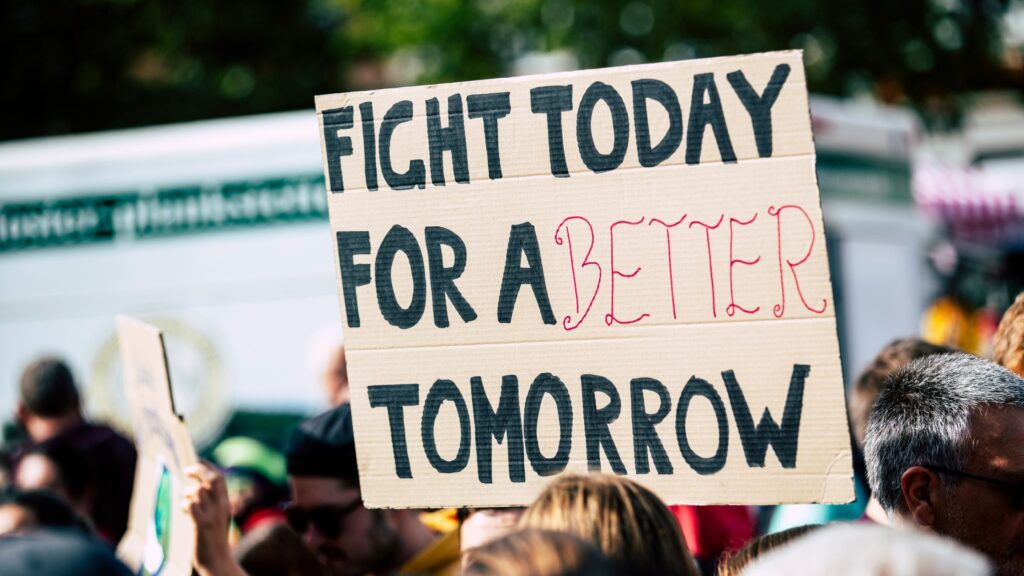
The context is key.
Israel wasn’t in Babylon because they had been faithful. They were there because of disobedience. For centuries they longed to be “like the nations.” They wanted a king with military strength. They trusted in chariots and alliances more than in Yahweh. And the prophets warned them: if you forsake God, judgment will come. Babylon’s conquest wasn’t an accident—it was God’s discipline.
Chapters 27–29 bring this home:
- Chapter 27: God tells Jeremiah to put on a yoke as a sign. Babylon’s rise is His doing. Nations—including Judah—must submit to Nebuchadnezzar or face judgment. False prophets saying, “Resist Babylon, freedom is near” are lying.
- Chapter 28: Hananiah publicly contradicts Jeremiah, breaking the wooden yoke as a symbol that God would soon “break Babylon’s yoke.” Jeremiah responds: “No. It’s not wood, it’s iron. Exile is certain. Your message of peace is a lie.” Hananiah dies as proof.
- Chapter 29: Jeremiah writes a letter to the exiles already in Babylon. Don’t expect a quick return, he says. Instead—settle in. Build homes. Plant gardens. Marry and raise families. Multiply. Life in exile will be long (seventy years).
It’s in this context we read verse 7:
“Pursue the well-being of the city I have deported you to. Pray to the LORD on its behalf, for when it thrives, you will thrive.”
So what’s the point?
Jeremiah 29:7 is not a call to demand political influence or force our city to prosper. It’s God telling His displaced people: “Stop chasing false hopes of escape. Settle down. Accept where God has placed you. Seek the good of the place you live—even if it’s Babylon. Pray for it and help it flourish.”
The broader lesson for Christians today? It isn’t about seizing control of our city. It’s about living faithfully within exile. God’s people are not called to manipulate circumstances to get what we want from Him. We are called to remain faithful to Him—whatever political environment we find ourselves in. Exile under Babylon. Rule under Persia. Occupation under Rome. Or democracy today.
Like Israel in Babylon, we’re “sojourners and exiles” (1 Pet. 2:11). God hasn’t called us to withdraw from the world or dominate it, but to seek its good through prayer, faithful presence, and everyday faithfulness—all while longing for our ultimate home with Him.
Jeremiah 29:7, in context, is less about power and more about patience. Less about demanding, more about praying. Less about securing the city for ourselves, more about trusting God’s plan to restore His people in His time.
Question for you: How do you practice seeking the good of your city without getting caught up in power struggles? You can share in the comments below.
Join Unfeigned Christianity on Patreon and Take Your Journey to the Next Level.
Become a paying member of Unfeigned Christianity for as little as $5/mo and access article, our community chat stream, and quarterly Q&A episodes.
Already a member? Login